.png)
A Fact-Based Approach to a Fact-Based Risk

Updated: Jan 20
Wildfire risk is no longer a distant or seasonal concern in Central Oregon. According to the USDA Forest Service’s Wildfire Risk to Communities analysis, tens of thousands of homes in and around Bend fall into indirect or direct wildfire exposure zones—areas where homes are most likely to ignite from wind-driven embers, nearby vegetation, or structure-to-structure fire spread.
In Bend alone, USDA data indicates that:
~47% of buildings are in indirect or direct exposure zones
Over 10,000 structures face direct exposure, meaning ignition can occur from adjacent vegetation, embers, or nearby buildings
Ember exposure—not large flames—is the primary cause of home ignition in most wildfires
Wildfire risk is therefore not hypothetical. It is mapped, measured, and present today.

Why Ember Exposure Matters
Wildfires rarely destroy homes by a wall of flame alone. Research consistently shows that embers (firebrands)—small, wind-carried burning materials—are responsible for the majority of residential ignitions. These embers can travel miles ahead of a fire front, landing on or entering homes through vulnerable openings.
Common ignition pathways include:
Vents and eaves
Rooflines and gutters
Decks, siding transitions, and crawlspace openings
Accumulated debris near the structure
This is why wildfire mitigation strategies increasingly focus on home hardening—reducing the ways embers can enter, land, or ignite.
A Targeted Solution for Ember-Driven Risk
The FireTek Ember Defense System is designed specifically to address the most common and scientifically documented ignition pathways identified by wildfire risk research.
Rather than relying on a single measure, our approach aligns with the Risk Reduction Zones framework used by the USDA Forest Service, focusing on actions that are proven to be most effective in areas of indirect and direct exposure.
Our Process: How FireTek Reduces Risk
1. Property-Specific Risk Assessment
Every property is different. We begin with an on-site evaluation to identify:
- Ember entry points
- Vegetation-to-structure proximity
- Construction features that increase vulnerability
- Debris accumulation zones
This assessment allows us to prioritize the highest-impact risk reductions first.
2. Ember Intrusion Mitigation
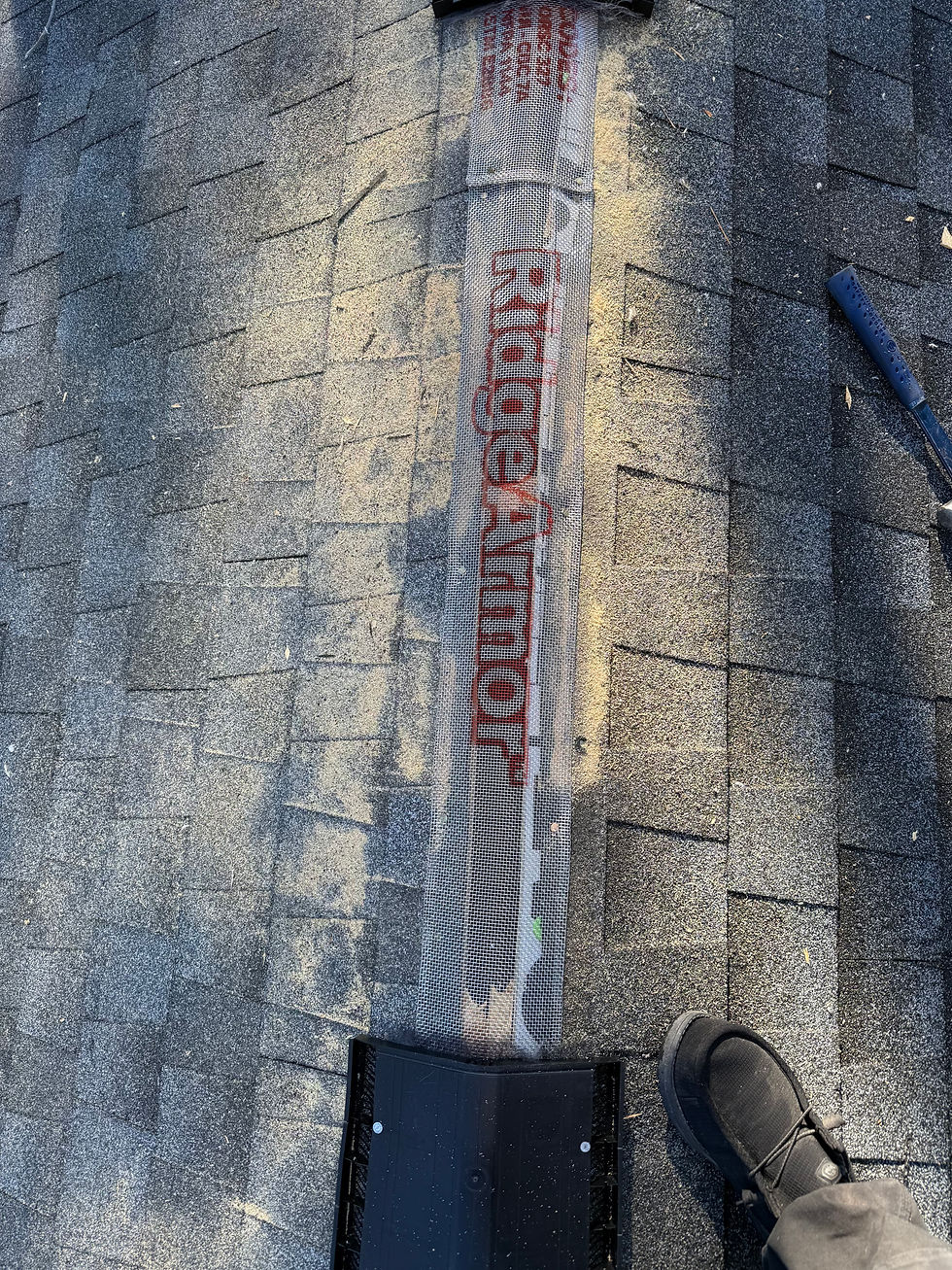
Based on the assessment, we install ember-resistant protections designed to:
- Reduce the ability of embers to enter vents and openings
- Limit places where embers can lodge and ignite
- Improve resilience at structural transition points
These measures directly address indirect and direct exposure risks, where ember ignition is most likely.
3. Integration With Defensible Space Principles
While no single solution eliminates wildfire risk, ember defense is most effective when paired with
- Defensible space practices
- Vegetation management near the structure
- Routine maintenance of roofs and gutters
We provide guidance so homeowners understand how each layer of protection works together.
Why This Approach Works
This system is grounded in the same principles used by:
- The USDA Forest Service
- State wildfire mitigation programs
- Building codes such as California Chapter 7A
By focusing on ignition resistance rather than fire suppression, FireTek helps homeowners take meaningful, evidence-based steps to reduce the likelihood of home ignition during a wildfire event.
An Informed Choice for Wildfire-Prone Communities
Wildfire mitigation is most effective when it is:
- Targeted, not generic
- Preventative, not reactive
- Based on data, not assumptions
FireTek exists to help homeowners understand their real, mapped wildfire risk—and respond with practical, science-aligned solutions.
Cost-Effective Solution
Investing in the FireTek Ember Defense System can be a cost-effective solution in the long run. The potential savings from avoiding property damage and loss can far outweigh the initial investment in the system.
Data Source
USDA Forest Service, Wildfire Risk to Communities (Exposure to Wildfire), map data accessed January 2026 https://wildfirerisk.org

Comments