.png)
Ignition Zone Hardening: A Key to Wildfire Safety

Wildfires are becoming increasingly common and devastating, threatening homes, wildlife, and entire ecosystems. As climate change continues to exacerbate these conditions, it is crucial for homeowners and communities in fire-prone areas to take proactive measures to protect their properties. One effective strategy is ignition zone hardening. This blog post will explore what ignition zone hardening is, why it is essential for wildfire safety, and practical steps you can take to implement it in your own home.

Understanding Ignition Zones
What is an Ignition Zone?
An ignition zone refers to the area surrounding a structure that can ignite during a wildfire. This zone typically extends 30 to 100 feet from the home, depending on the slope of the land and the type of vegetation present. The goal of hardening this zone is to create a defensible space that minimizes the risk of fire reaching your home.
The Importance of Ignition Zone Hardening
Hardening your ignition zone is crucial for several reasons:
Protection from Wildfires: A well-maintained ignition zone can significantly reduce the likelihood of a fire spreading to your home.
Insurance Benefits: Many insurance companies offer discounts for homes that have implemented fire-resistant measures.
Community Safety: By hardening your property, you contribute to the overall safety of your neighborhood, making it less likely for fires to spread from one home to another.
Steps to Harden Your Ignition Zone
1. Create Defensible Space
Creating defensible space is the first step in ignition zone hardening. This involves removing flammable materials and vegetation around your home. Here are some practical steps:
Clear Debris: Regularly remove leaves, pine needles, and other debris from your roof, gutters, and yard.
Trim Vegetation: Keep trees and shrubs trimmed, ensuring they are at least 10 feet away from your home and that branches are at least 6 feet off the ground.
Use Fire-Resistant Plants: Opt for fire-resistant landscaping plants that are less likely to ignite.
2. Use Fire-Resistant Building Materials
When building or renovating your home, consider using fire-resistant materials. This can include:
Non-combustible Siding: Materials like stucco, brick, or fiber-cement siding can withstand high temperatures.
Class A Roofing: Choose roofing materials rated Class A, such as metal or tile, which offer the best protection against fire.
3. Install Spark Arresters
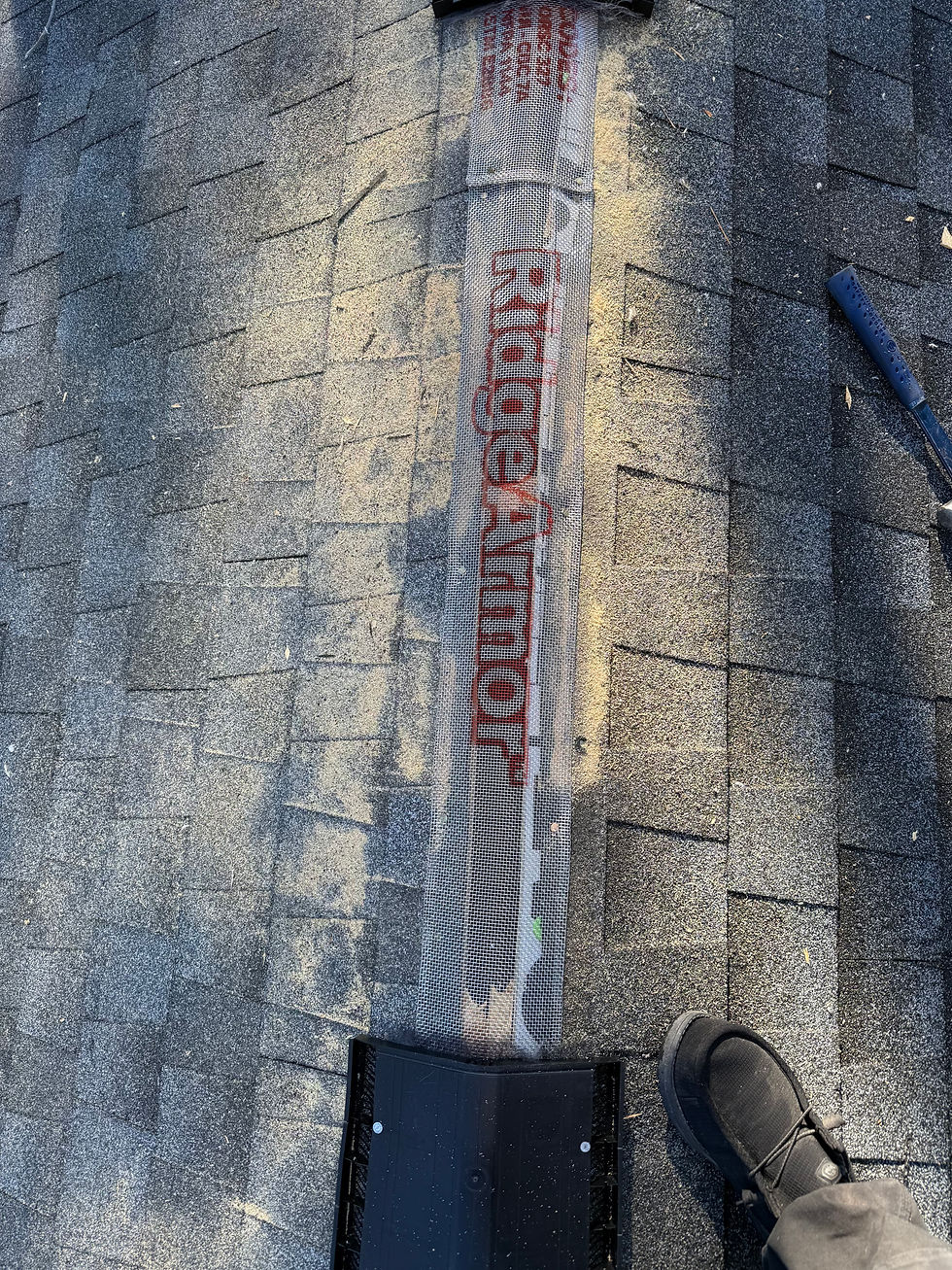
Spark arresters are devices that prevent embers from entering your home through chimneys and stovepipes. Installing a spark arrester can significantly reduce the risk of fire igniting from airborne embers.
4. Maintain Your Lawn
A well-maintained lawn can act as a buffer against wildfires. Here are some tips for keeping your lawn fire-safe:
Water Regularly: Keep your grass green and healthy by watering it regularly, especially during dry seasons.
Mow Frequently: Regularly mow your lawn to keep grass short and reduce the amount of dry material that can catch fire.
5. Create a Firebreak
A firebreak is a gap in vegetation that can slow or stop the spread of fire. You can create a firebreak by:
Clearing Vegetation: Remove all flammable vegetation in a strip around your property.
Using Gravel or Stone: Consider using gravel or stone to create a non-flammable barrier.
Community Involvement
Engage with Local Fire Departments
Engaging with your local fire department can provide valuable resources and support. Many fire departments offer free assessments of your property and can provide recommendations for hardening your ignition zone.
Participate in Community Fire Safety Programs
Many communities have fire safety programs that educate residents on wildfire prevention. Participating in these programs can help you stay informed about best practices and connect with neighbors who share your concerns.
Conclusion
Ignition zone hardening is a vital strategy for protecting your home from wildfires. By creating defensible space, using fire-resistant materials, and maintaining your property, you can significantly reduce the risk of fire damage. Remember, wildfire safety is not just an individual effort; it requires community involvement and awareness. Take action today to protect your home and contribute to the safety of your neighborhood.
By implementing these strategies, you can create a safer environment for yourself and your loved ones. Start hardening your ignition zone now, and be prepared for whatever wildfire season may bring.

Comments