.png)
Protect Your Home: Ember Intrusion Mitigation Strategies

Wildfires are becoming increasingly common, and their devastating effects can reach far beyond the flames. One of the most significant threats to homes in fire-prone areas is ember intrusion. Embers can travel miles ahead of a fire, igniting structures and landscapes. Understanding how to protect your home from these fiery invaders is crucial for safeguarding your property and ensuring your family's safety. In this post, we will explore effective ember intrusion mitigation strategies that can help you prepare for the worst.

Understanding Ember Intrusion
Ember intrusion occurs when burning embers from a wildfire land on your property, potentially igniting flammable materials. These embers can be as small as a quarter and can travel through the air, propelled by wind. The risk of ember intrusion is particularly high during dry, windy conditions, making it essential to take proactive measures to protect your home.
The Dangers of Ember Intrusion
Ignition of Flammable Materials: Embers can ignite leaves, mulch, and other combustible materials around your home.
Structural Damage: Once an ember ignites a structure, it can lead to significant damage or even total loss.
Spread of Fire: If your home catches fire, it can quickly spread to neighboring properties, endangering entire communities.
Creating Defensible Space
One of the most effective ways to mitigate ember intrusion is by creating defensible space around your home. This space acts as a buffer, reducing the likelihood of embers igniting your property.
Steps to Create Defensible Space
Clear Vegetation: Remove dead plants, leaves, and debris from around your home. This includes cleaning gutters and roofs to prevent accumulation.
Maintain Landscaping: Use fire-resistant plants and maintain a well-watered landscape. Avoid using mulch made from wood chips, as it can easily ignite.
Create Zones: Establish different zones of defensible space:
Zone 1 (0-5 feet): This area should be free of flammable materials. Use non-combustible materials like gravel or stone.
Zone 2 (5-30 feet): Keep this area well-maintained with low-growing plants. Space trees and shrubs to reduce fire intensity.
Zone 3 (30-100 feet): Thin out trees and shrubs to create a more open space, reducing the chance of fire spreading.
Fortifying Your Home
In addition to creating defensible space, fortifying your home is essential for protecting against ember intrusion.
Key Areas to Fortify
Roof: Use non-combustible roofing materials such as metal or tile. Ensure that your roof is free of debris.
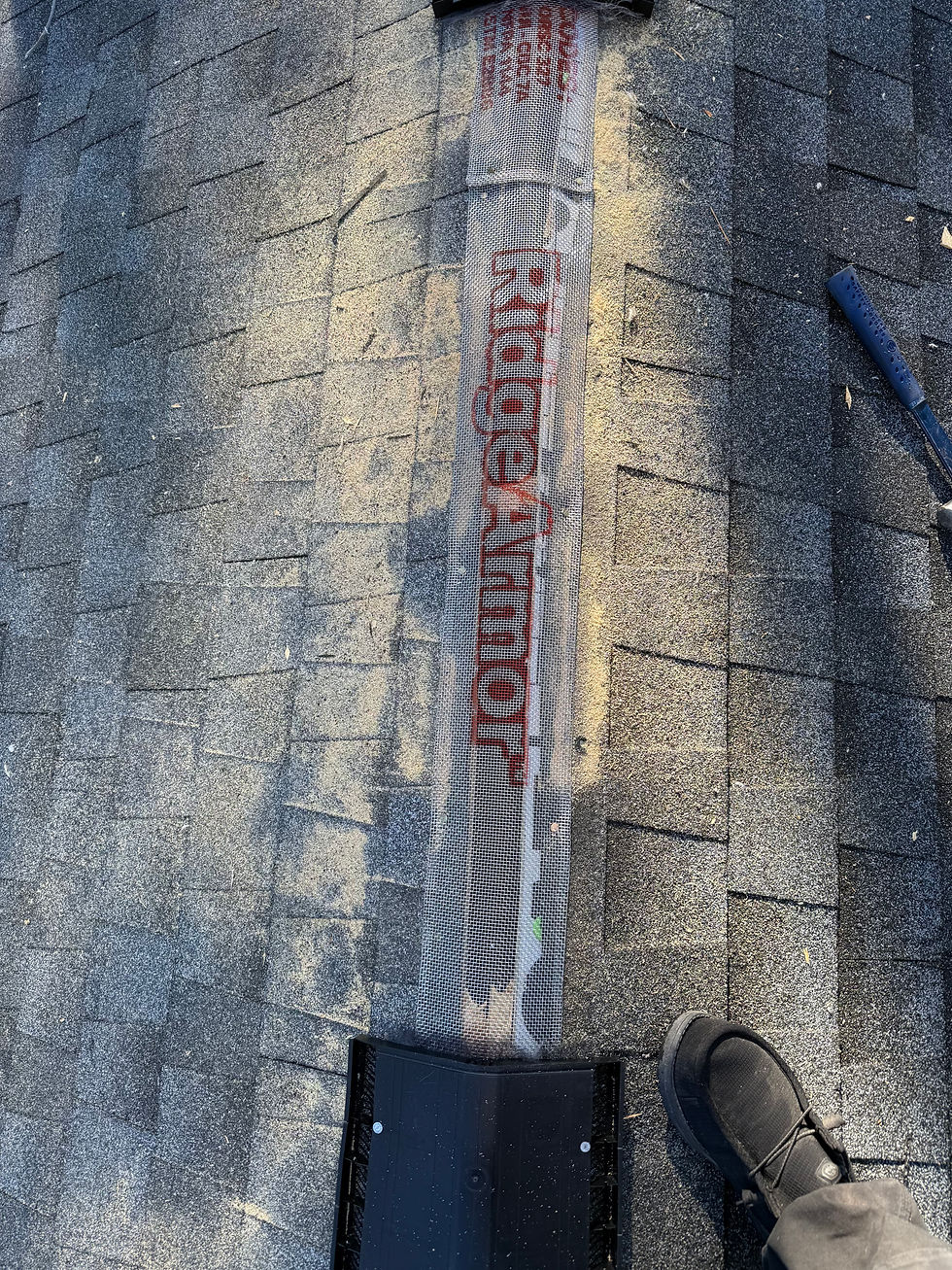
Eaves and Vents: Install metal mesh screens on vents and eaves to prevent embers from entering your home.
Windows: Consider double-paned or tempered glass windows, which are more resistant to heat and flames.
Decks and Patios: Use fire-resistant materials for decks and patios. Keep them clear of flammable items like furniture and decorations.
Fire-Resistant Landscaping
Landscaping plays a crucial role in ember intrusion mitigation. By choosing fire-resistant plants and designing your landscape thoughtfully, you can significantly reduce your home's vulnerability.
Fire-Resistant Plant Choices
Ground Covers: Use low-growing plants like creeping thyme or sedum that are less likely to catch fire.
Shrubs: Opt for fire-resistant shrubs such as manzanita or sage, which are less flammable.
Trees: Select trees with high moisture content, like oak or maple, and space them appropriately to reduce fire risk.
Landscape Design Tips
Create Firebreaks: Use hardscaping features like stone paths or patios to create barriers that can slow the spread of fire.
Water Features: Incorporate water features like ponds or fountains, which can help cool the area and provide a firebreak.
Regular Maintenance
Maintaining your home and landscape is an ongoing process. Regular maintenance can help ensure that your ember intrusion mitigation strategies remain effective.
Maintenance Checklist
Inspect and Clean: Regularly inspect your roof, gutters, and vents for debris. Clean them out as needed.
Trim Vegetation: Keep trees and shrubs trimmed and spaced appropriately to prevent fire spread.
Check Firebreaks: Ensure that firebreaks remain clear and effective.
Community Involvement
Ember intrusion is not just an individual concern; it affects entire communities. Engaging with your neighbors and local fire department can enhance your collective safety.
Community Strategies
Neighborhood Firewise Programs: Participate in or establish community programs focused on fire safety and prevention.
Shared Resources: Collaborate with neighbors to share resources, such as equipment for clearing vegetation or organizing community clean-up days.
Education: Attend workshops or seminars on fire safety and ember intrusion mitigation to stay informed and prepared.
Conclusion
Protecting your home from ember intrusion requires a proactive approach. By creating defensible space, fortifying your home, and maintaining your landscape, you can significantly reduce the risk of fire damage. Remember, ember intrusion is a community issue, so engage with your neighbors and local resources to enhance safety for everyone.
Take action today to safeguard your home and loved ones from the threat of wildfires. Implement these strategies and stay informed about fire safety to ensure your property remains protected.

Comments